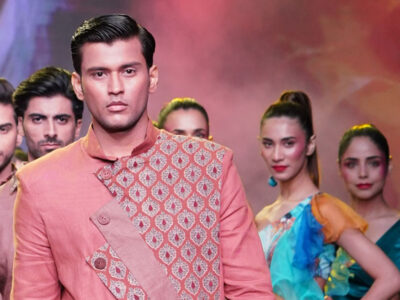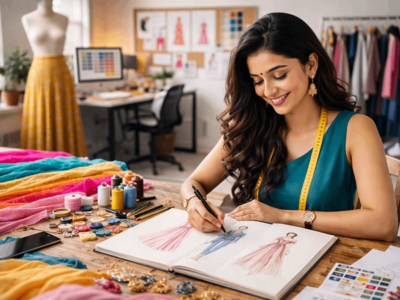
The fashion world pulses with creativity, where a simple sketch can evolve into a global trend or a red-carpet masterpiece. If you’re passionate about fabrics, silhouettes, and storytelling through style, pursuing formal education is a smart move. Two primary options dominate: a degree in fashion design and a diploma in fashion design. These paths differ in duration, depth, and focus, shaping your skills and career trajectory uniquely.
A degree in fashion design offers a comprehensive, immersive experience, while a diploma in fashion design delivers targeted, accelerated training. Understanding their nuances helps aspiring designers like you make an informed choice. In this post, we’ll dissect each, compare them, and guide you toward the best fit for your dreams.
What Is a Degree in Fashion Design?
Enrolling in a degree in fashion design means committing to three to four years of rigorous, multifaceted study. Programs at specialized institutes blend artistic flair with technical prowess and theoretical knowledge. Core subjects include Design process ,Textileand dyeing techniques; advanced pattern making for precise garment construction; and draping, where you manipulate fabric on mannequins to create organic shapes.
Beyond basics, expect modules on fashion illustration—mastering everything from charcoal sketches to digital tools like Adobe Illustrator—and historical contexts, analyzing icons like Coco Chanel or Vivienne Westwood. Business acumen is key too: courses cover merchandising, supply chain logistics, and branding strategies. Many programs incorporate sustainability, teaching ethical sourcing and zero-waste design amid growing eco-consciousness.
Hands-on learning shines through studio work, critiques, and collaborations. Imagine designing a capsule collection inspired by Indian textiles for a final-year runway show, critiqued by industry pros. Degrees often end with a capstone project, like a thesis on AI in fashion forecasting, building research skills for academia or innovation roles. Graduates gain a versatile skill set, positioning them for high-level careers such as creative directors at labels like Dior or consultants for luxury brands.
The degree’s strength lies in its holistic approach. It fosters critical thinking, adaptability, and a global perspective—essential in an industry influenced by cultural shifts and technology. Networking opportunities abound, from guest lectures by designers to international study trips.
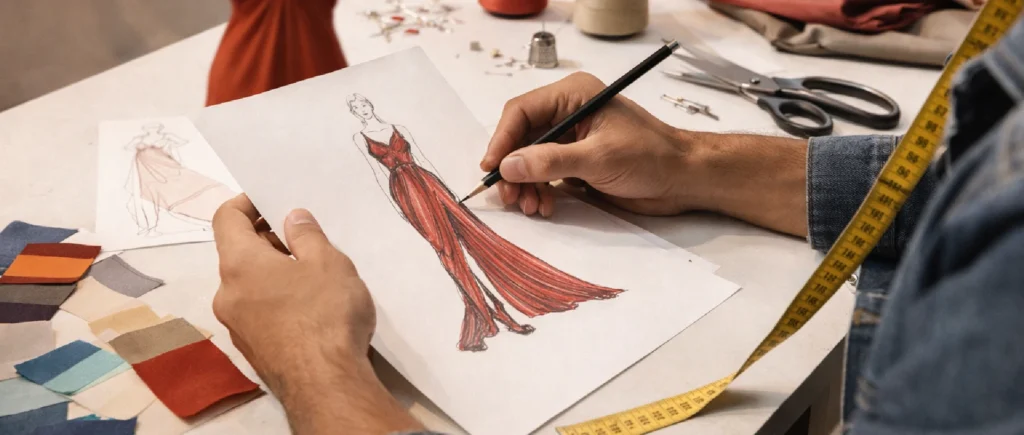
Exploring the Diploma in Fashion Design
Contrast this with a diploma in fashion design, a streamlined one- to two-year program prioritizing practical, job-ready skills. Ideal for those balancing studies with work or eager to enter the field swiftly, it skips broad theory for intensive workshops. You’ll master garment construction from flat patterns to 3D seaming, honing speed and precision on industrial machines.
Design process and CAD software dominate early modules, enabling rapid prototyping-think vector-based designs for print-on-demand services. Accessory design, knitwear techniques, and surface embellishments like embroidery add variety. Programs emphasize portfolio-building from semester one, culminating in a professional showcase.
Internships are a hallmark, placing you in ateliers or boutiques for real feedback. Picture assisting on a bridal collection, learning client fittings firsthand. Diplomas cater to niche paths like visual merchandising or technical design, where accuracy trumps conceptual flair.
This route excels in efficiency, producing confident creators for entry-level roles: pattern cutters at fast-fashion houses, production assistants in sportswear, or freelancers crafting custom pieces. It’s perfect for entrepreneurial spirits launching Etsy shops or pop-up brands.
Key Differences Between Degree and Diploma
The divide boils down to depth versus speed. A degree in fashion design provides breadth-integrating arts, sciences, and commerce-for strategic roles. It demands patience but yields prestige and versatility. A diploma in fashion design, however, focuses narrowly on execution, accelerating employability for tactical positions.
Degrees suit analytical minds craving leadership; diplomas fit pragmatic doers seeking immediacy. Consider outcomes: degree holders often pioneer trends, while diploma grads execute them flawlessly. Both build portfolios, but degrees add theoretical weight for grad school or patents.
Flexibility varies too-degrees offer electives like digital fashion or cultural studies; diplomas stick to essentials. Recognition differs: degrees carry academic clout globally; diplomas shine locally or in vocational contexts.
Career Paths and Real-World Success
Both credentials unlock dynamic careers. Degree in fashion design alumni thrive as head designers, stylists for films, or educators. Think of graduates leading Zara’s innovation labs or launching ethical lines like Stella McCartney-inspired ventures.
Diploma in fashion design holders excel in production, buying, or bespoke tailoring—vital cogs in brands like H&M or local couturiers. Many evolve into independents, blending skills with social media savvy.
Success stories abound: a degree grad might direct Milan Fashion Week shows; a diploma holder could dominate Instagram with viral upcycled designs. Hybrid paths exist—many diploma completers later pursue degrees for advancement.
How to Choose the Right Path for You
Assess your timeline, learning style, and ambitions. Love theory and leadership? Opt for a degree in fashion design. Need quick skills? Choose a diploma in fashion design. Visit campuses, review alumni networks, and self-audit: Do you thrive in lectures or studios?
Supplement with online courses, sewing practice, and trend analysis via Vogue or WGSN.
Conclusion: Stitch Your Future Today
Whether pursuing a degree in fashion design or diploma in fashion design, passion fuels triumph. Embrace emerging trends like VR fittings or bio-fabrics. Build your portfolio, network relentlessly, and let creativity lead. Your breakthrough collection awaits—start designing your path now!
Yes, for entry-level jobs and freelancing.
Degree is better for long-term growth, diploma for quick jobs.
Rs: 15,000–Rs: 80,000+ depending on skills and experience.
Yes, both degree and diploma options are available.