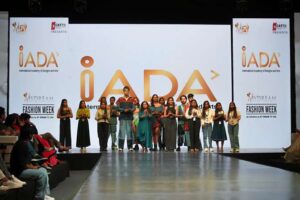
Bachelor of Design (B.Des) in Fashion Design
The Bachelor of Design (B.Des) in Fashion Design course at International Academy of Designs and Arts (IADA) helps students to channelise skills and creativity in fashion design, textile technology, garment construction and so on. Students develop creative, innovative, technical, soft skills as well as team management capability through experiential learning methodology.
The program also exposes learners to industry practices such as trend forecasting, design research, digital illustration, fabric studies, and collection development. Through hands-on studio work, fashion shows, workshops, and real-world projects, students build a strong design identity and a market-ready portfolio that prepares them for diverse roles across the fashion industry.
Course Overview
The B.Des in Fashion Design is a comprehensive undergraduate program crafted to build strong creative, technical, and industry-ready competencies in aspiring designers. The curriculum blends design thinking, garment construction, textile studies, digital design tools, and fashion business strategies to prepare students for the evolving global fashion ecosystem.
The program encourages innovation, conceptual development, and hands-on exploration, ensuring that every learner gains a strong foundation in both traditional techniques and modern industry practices.
The B.Des in Fashion Design program is a professionally structured, four-year undergraduate degree that shapes creative thinkers into industry-ready design professionals. The course builds a strong understanding of fashion as a cultural, artistic, technological, and commercial ecosystem, preparing students to navigate the constantly evolving global fashion landscape.
Fashion today is transforming rapidly, influenced by digital design, sustainability practices, and shifting consumer preferences. This program aligns with these changes by blending classic design principles with modern industry tools and methodologies. Students are encouraged to explore ideas, experiment with materials, and convert inspirations into meaningful design concepts while developing both technical expertise and aesthetic clarity.
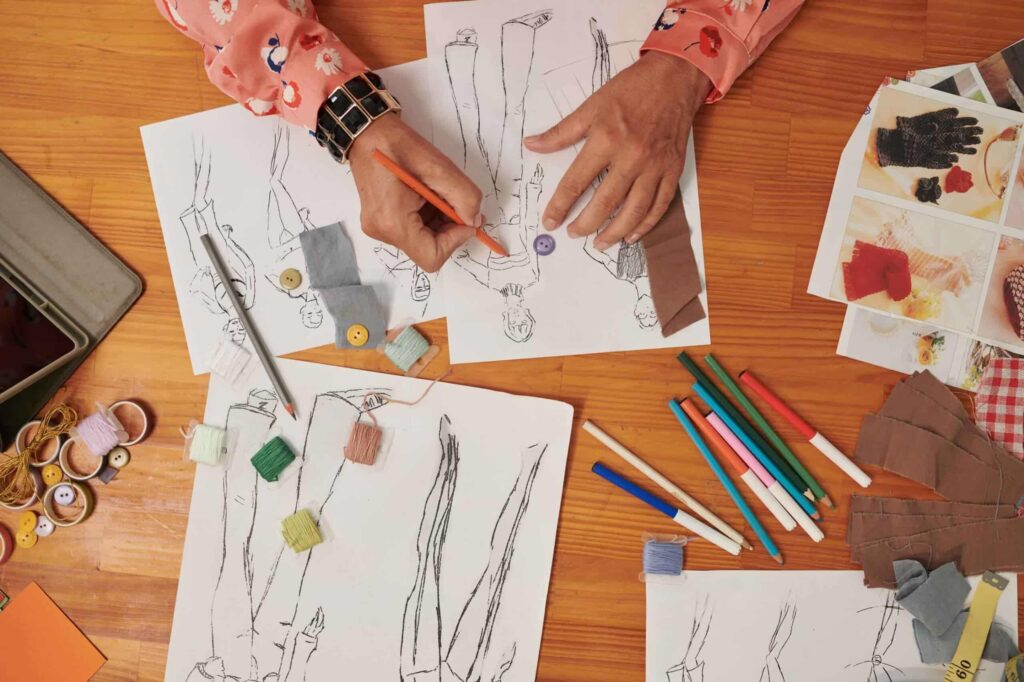
From sketching silhouettes to constructing fully finished garments, students experience immersive studio learning, material exploration, workshops, and industry interactions. These experiences foster creativity, design thinking, and craftsmanship, enabling learners to approach fashion with a professional understanding of form, function, and innovation.
The curriculum includes a strong focus on CAD systems, digital design tools, and trend research, ensuring familiarity with current industry workflows. Exposure to global trends, consumer psychology, and fashion branding equips students with the skills required to build successful careers across diverse sectors of the fashion industry.
Teaching Method
The teaching methodology of the B.Des in Fashion Design program is designed to create an immersive, practice-oriented, and industry-aligned learning environment. The approach blends creative exploration with technical precision, ensuring that students understand the complete journey of fashion design—from concept development to garment execution.
Learning unfolds through a combination of studio sessions, workshops, digital labs, and field exposure. This structure allows students to engage deeply with fabrics, silhouettes, construction techniques, and visual communication while building strong design-thinking abilities.
A balanced mix of hands-on experimentation, guided mentorship, research-based tasks, and real-world interactions ensures that learners evolve into confident, skilled, and industry-ready design professionals prepared to meet the demands of the modern fashion landscape.
The teaching methodology for the B.Des in Fashion Design program is rooted in experiential learning, with a strong focus on studio practice and hands-on exploration. Design studios serve as dynamic environments where students sketch, drape, construct, and experiment with materials to understand the complete process of garment creation. This practical approach helps develop both creative expression and technical precision.
A project-driven curriculum ensures that each semester is anchored by design assignments, garment development tasks, and conceptual explorations. These projects encourage students to build personal design narratives while gaining competency in silhouettes, textiles, surface techniques, and construction methods. Regular workshops and masterclasses conducted by designers, artisans, and industry experts further enrich this learning, exposing students to contemporary techniques, craft traditions, and emerging fashion technologies.
Industry exposure forms a key part of the methodology. Visits to textile hubs, apparel manufacturing units, designer studios, and retail environments provide real-world understanding of the fashion ecosystem. Participation in fashion shows, exhibitions, and collaborative events helps students experience professional workflows and build industry confidence.
Digital proficiency is strengthened through CAD training, digital illustration tools, and software used in modern fashion studios. Critique-based reviews, research assignments, and portfolio development sessions support students in refining ideas and presenting work professionally, preparing them for advanced roles in the global fashion industry.
Course Structure
The B.Des in Fashion Design program is organised across eight semesters, progressively building creative, technical, and professional competencies. Each semester introduces essential skills while deepening design understanding through studio practice, research, and industry-oriented projects.
Semester 1 –
Design Fundamentals & Creative Foundation
- Elements and principles of design
- Basic fashion sketching and illustration
- Colour theory and visual studies
- Introduction to textiles
- Basic garment construction
- Foundation drawing & material exploration
Semester 2 –
Core Fashion Skills
- Fashion illustration (advanced)
- Pattern making foundations
- Draping techniques (basic)
- Textile science and fabric behaviour
- Introduction to digital design tools
- Basic design project
Semester 3 –
Technical Development
- Advanced pattern making
- Garment construction techniques
- Surface ornamentation & embroidery
- Digital illustration and CAD for fashion
- Fashion history and cultural studies
- Design studio project
Semester 4 –
Creative Exploration
- Draping (advanced)
- Textile design & surface techniques
- Fashion styling principles
- Trend analysis and forecasting basics
- Accessory design introduction
- Mid-level collection development project
Semester 5 –
Industry Alignment & Specialisation
- Apparel production processes
- Advanced CAD and pattern software
- Fashion communication & visual presentation
- Fabric sourcing & material research
- Sustainable fashion practices
- Mini collection development
Semester 6 –
Professional Application
- Branding & fashion marketing
- Fashion merchandising basics
- Technical documentation & spec sheets
- Portfolio development (Phase 1)
- Fashion photography & lookbook creation
- Industry internship / field study
Semester 7 –
Advanced Design Practice
- Concept development for major collection
- Advanced construction & finishing
- Luxury fashion studies / elective topics
- Research & documentation
- Portfolio development (Phase 2)
Semester 8 –
Graduation Project
- Final design collection (creative or industry-based)
- Complete portfolio submission
- Jury presentations
- Fashion showcase / exhibition
Programme Highlights
The B.Des in Fashion Design program is structured to offer a balanced blend of creativity, technical skill, and industry exposure. Every module, project, and hands-on activity is thoughtfully curated to help learners build a strong foundation while developing their personal design expression.
Each semester encourages exploration, experimentation, and innovation, allowing students to evolve into confident, versatile, and future-ready design professionals. The program highlights reflect the core strengths that define this comprehensive, industry-aligned fashion education and showcase the transformative learning experience students receive throughout their journey.
- Industry-Relevant Curriculum
A comprehensive four-year syllabus covering design foundations, garment construction, textiles, digital tools, fashion communication, and fashion business. - Studio-Focused Practical Learning
Extensive hands-on experience in design studios, enabling students to experiment with materials, silhouettes, draping, and construction techniques. - Advanced Digital Design & CAD Training
Training in professional fashion software for illustration, pattern development, and digital portfolio creation, aligned with current industry standards. - Expert Workshops & Real-World Exposure
Regular masterclasses, industrial visits, designer interactions, and craft cluster experiences that deepen practical understanding of the fashion ecosystem. - Portfolio Development & Showcasing Platforms
Guidance in building strong, industry-ready portfolios along with opportunities to present collections through exhibitions and fashion shows.
Career Opportunities
A B.Des in Fashion Design opens doors to a diverse range of creative, technical, and managerial roles across the fashion ecosystem. Graduates step into the industry with strong design sensibilities, practical skills, and an understanding of global trends, enabling them to contribute meaningfully to both established brands and emerging fashion ventures.
Opportunities span across apparel, luxury, retail, digital fashion, and entrepreneurial domains, allowing graduates to shape dynamic design careers based on individual strengths and interests.
- Fashion Designer – Creating apparel collections for brands, labels, or personal ventures.
- Fashion Illustrator / CAD Designer – Developing technical sketches, digital flats, and creative visuals.
- Apparel Production Specialist – Overseeing garment manufacturing, quality, and workflow operations.
- Stylist (Editorial, Personal, Commercial) – Curating looks for shoots, brands, celebrities, and campaigns.
- Textile Designer – Designing prints, patterns, and surface embellishments for fabrics.
- Fashion Merchandiser – Bridging design, marketing, and retail with trend- and consumer-focused strategies.
- Fashion Entrepreneur – Launching personal labels, boutiques, or design-led businesses.
- Costume Designer – Crafting outfits for films, theatre productions, performances, and events.
- Visual Merchandiser – Designing displays and brand narratives in retail environments.
- Sustainability & Ethical Fashion Roles – Working in eco-fashion, circular design, and responsible production.
Recruiters
Graduates of the B.Des in Fashion Design program are equipped with the creative and technical capabilities valued across leading fashion houses, retail brands, export firms, and design studios. Opportunities span across apparel, luxury, retail, digital fashion, and entrepreneurial domains, allowing graduates to shape dynamic design careers based on individual strengths and interests.
- Leading Indian and international fashion brands
- Designer labels and couture houses
- Export and buying offices
- Apparel and textile manufacturing companies
- Fashion e-commerce platforms
- Retail fashion chains and lifestyle brands
- Media, advertising, and styling agencies
- Film, television, and entertainment production houses
- Sustainable and ethical fashion organisations
- Independent design studios and creative consultancies
Course Registration
Enrollment for the B.Des in Fashion Design program is now open, inviting passionate creators to begin their journey into the world of fashion.
Early registration ensures priority consideration, limited-seat preference, and timely access to orientation information.
Experience Working With



























Related Post
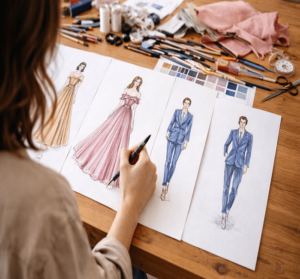
Diploma in Fashion Design in Noida, Delhi NCR
Degree in Interior Design: Explore the Right Interior Design Course in Noida
Degree in Interior Design: Build a Creative Career in Modern Interior Design
Interior Designing Institute: Build a Creative Future with the Best Interior Design Course
B.Des in Interior Design: Build a Creative Future in Interior Spaces