
PG Diploma In Fashion Design
The PG Diploma in Fashion Design offers a focused, industry-ready pathway for learners who want to build strong creative and technical skills in a short duration.
The program blends practical studio work, fashion illustration, garment construction, CAD tools, and trend analysis to develop well-rounded fashion professionals. With hands-on projects, industry exposure, and portfolio development, the course prepares students to step confidently into diverse roles within the fashion industry.
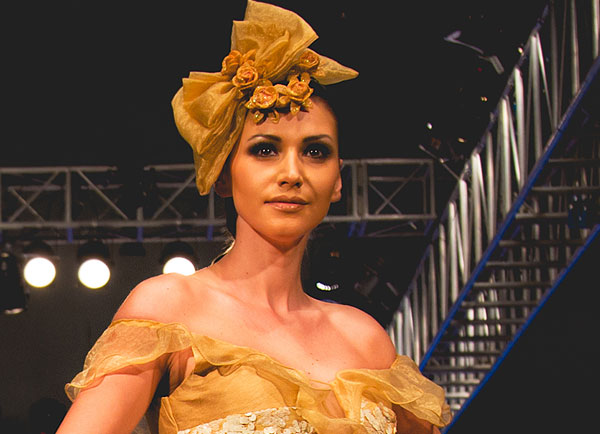
Course Overview
This two-year PG Diploma in Fashion Design offers a comprehensive and industry-focused learning experience that builds strong creative, technical, and professional skills. The program covers advanced fashion illustration, textiles, garment construction, digital design tools, merchandising, and fashion business fundamentals. Students engage in hands-on studio work, workshops, and real-time industry projects that strengthen practical understanding and promote innovative thinking. With exposure to trend research, sustainable practices, internships, and portfolio development, the course prepares learners for diverse roles within the evolving fashion industry.
Teaching Method
The teaching approach blends hands-on studio practice with guided theoretical learning, ensuring students develop strong creative and technical abilities. Workshops, demonstrations, and digital labs help learners master illustration, pattern making, garment construction, and software-based design. Industry interactions, live assignments, and project-based work further build confidence, problem-solving skills, and professional readiness for real-world fashion environments.
Course Structure
The course is structured across four semesters, beginning with strong foundations in illustration, textiles, pattern making, and design concepts. Learners gradually move into advanced garment construction, draping, merchandising, CAD, and surface design. The final year focuses on specialization, industry exposure, entrepreneurship, and real-world application through internships, a final design project, and professional portfolio development.
Semester 1 –
Foundation & Basics
- Fashion Illustration & Design Fundamentals
Advanced fashion sketching and figure drawing
Proportions, posture, and movement
Garment detailing and stylization
Concept-to-sketch development - Textile Science & Fabric Studies
Fiber types, yarns, and fabrics
Fabric construction: woven, knitted, nonwoven
Textile finishes, prints, and dyeing
Sustainable and innovative fabrics - Pattern Making & Garment Construction – I
Drafting basic blocks for tops, skirts, trousers
Dart manipulation and pattern adjustments
Sewing techniques and finishing
Fitting and alteration basics - Fashion History & Theory
Evolution of global fashion
Key designers and major fashion movements
Cultural, social, and economic influences - Design Process & Concept Development
Mood boards and concept boards
Trend analysis and research
Color theory and fabric selection
Semester 2 –
Intermediate Design & Introduction to Merchandising
- Advanced Pattern Making & Garment Construction
Complex silhouettes and garment types
Fabric manipulation and innovation - Draping
Advanced draping techniques - Fashion Merchandising
Fashion buying, retail, and merchandising
Product lifecycle management - CAD for Fashion Design
Adobe Illustrator & Photoshop for fashion
Tech packs and production sheets - Surface Ornamentation & Textile Design
Embroidery, printing, and dyeing techniques
Value addition through surface design
Semester 3 –
Specialization & Industry Exposure
- Sustainable Fashion & Ethical Practices
Eco-friendly materials and production
Circular fashion and zero-waste strategies
Compliance and certifications - Fashion Communication & Styling
Editorial, commercial, and personal styling
Fashion photography and media
Portfolio development and presentation - Apparel Production & Manufacturing Technology
Production workflow: sampling, cutting, stitching
Industrial machinery overview
Quality control and inspection - Entrepreneurship & Brand Development
Fashion start-ups and business planning
Costing, pricing, and budgeting
Brand identity and marketing strategy - Creative Pattern Making
TR pattern cutting techniques
Deconstruction and advanced techniques
Semester 4 –
Internship & Final Project
- Industrial Internship / Training
Placement in fashion houses, export units, or retail brands
Exposure to real-world design, merchandising, or production
Internship report and evaluation - Final Design Project
Creation of a mini collection (6–8 garments) or research dissertation
Mood board, fabric board, sketches, and tech packs
Prototype development, fittings, and final showcase - Portfolio & Professional Development
Digital and physical portfolio creation
Personal branding and resume preparation
Participation in fashion show or exhibition - Quality Control in Apparel
Advanced quality inspection techniques
Inline, midline, and final inspection processes
Garment defect analysis and correction
Compliance with industry standards - Fashion Marketing & Brand Strategy
Advanced fashion marketing strategies
Social media marketing, brand promotion, and campaigns
Product positioning and customer targeting
Programme Highlights
The program offers a well-rounded fashion education that blends creativity, technical skills, and industry exposure. Students learn through studio work, hands-on workshops, and real-world projects that build strong professional competencies. The curriculum also integrates digital tools, sustainability, and brand-focused learning to prepare learners for modern fashion careers.
- Comprehensive 2-year curriculum combining creative fashion design, garment construction, textiles, merchandising, and digital design tools.
- Hands-on learning through workshops, studio projects, internships, and industry collaborations.
- Advanced training in CAD, fashion illustration, and tech pack preparation.
- Exposure to fashion marketing, brand strategy, and quality control practices.
- Emphasis on sustainable and ethical fashion practices.
- Final collection project and portfolio development for professional readiness.
Career Opportunities
- Fashion Designer (Apparel, Accessories, or Costume Design)
- Fashion Illustrator or CAD Designer
- Fashion Stylist or Image Consultant
- Merchandise Planner / Fashion Merchandiser
- Quality Control Executive in garment production
- Retail Manager or Brand Manager in fashion houses
- Entrepreneur / Boutique Owner in the fashion industry
Learning Experience
- Develop advanced skills in fashion sketching, illustration, draping, and garment construction.
- Gain proficiency in textile selection, surface ornamentation, and innovative fabric applications.
- Use CAD and digital tools to design, visualize, and prepare technical specifications for garments.
- Understand fashion marketing, merchandising, and brand strategy for real-world application.
- Apply sustainable design practices in fashion projects.
- Execute research, trend analysis, and professional portfolio creation.
- Prepare for independent or collaborative work in fashion design and merchandising.
Course Registration
Admissions for the PG Diploma in Fashion Design are open to graduates or final-year students from any stream who have a strong interest in fashion and design. Eligible candidates can apply through the official IADA website or visit the campus for personalized guidance. The admission process includes counseling support, portfolio review (optional), and assistance from the faculty team to ensure smooth registration and program onboarding.
Experience Working With


























Related Post
Fashion Designing Course for Beginners – Start Your Creative Career in Noida

Interior Designing Course 2026: Expert Skills for Success
How to Build a Stunning Fashion Design Portfolio?

Why Opt for an Interior Designing Course to Build Your Career?

How Can Aspiring Fashion Designers Overcome Common Modern-Day Challenges?