
M.Des in Interior & Architectural Design
The Master of Design (M.Des) in Interior & Architectural Design is an advanced, future-driven programme crafted to shape design professionals who can influence spatial culture, transform environments, and lead innovation in the built world. The curriculum integrates design research, technology, material exploration, architectural thinking and advanced interior methodology to help learners master the art of creating meaningful spaces.
This postgraduate programme nurtures spatial intelligence, creative leadership and technical competency while enabling learners to develop a strong understanding of human behaviour, design psychology, sustainability, cultural aesthetics and contemporary design systems.
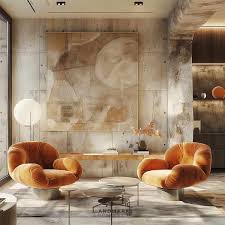
Course Overview
The M.Des in Interior Design is an advanced two-year program designed to shape strategic, research-driven interior designers who can create meaningful and future-ready spaces. The curriculum blends deep theoretical understanding with hands-on studio practice, exploring human-centered design, advanced spatial strategies, smart interior systems, commercial applications, and contemporary design technologies. Through research, live projects, digital tools, site exposure, and industry interactions, the program equips learners with the expertise and confidence to design innovative residential, commercial, retail, and experiential environments at a professional and global standard.
Teaching Method
The teaching method combines research-led learning with practical, studio-based exploration to help students think, design, and execute like advanced professionals. Classes include concept development, spatial experimentation, hands-on model making, digital software training, material studies, and technical detailing. Learners work on real-site analysis, client-style briefs, collaborative projects, and presentations that mirror industry workflows. Continuous mentoring, critiques, workshops, and expert interactions ensure that every student gains strong creative direction, problem-solving ability, and mastery over both conceptual and technical design skills.
Course Structure
The course structure is designed to provide a balanced blend of advanced theoretical knowledge, studio-based practice and industry-oriented learning. Each semester builds progressively, allowing learners to refine spatial understanding, technical proficiency and design research capabilities. The curriculum integrates design studios, workshops, digital training, material exploration and professional practice modules to ensure holistic development.
Semester 1 –
Advanced Design Foundations & Spatial Research
- Advanced interior & architectural design principles
- Spatial behaviour, ergonomics and user-centric studies
- Material science, lighting fundamentals and tectonic exploration
- Research methods for design inquiry
- Digital tools: Advanced CAD, 3D modelling & visualisation
- Studio Project: Concept-driven interior & architectural space design
Semester 2 –
Technical Systems & Integrated Design
- Architectural detailing, construction systems & building services
- Environmental design, sustainability strategies & climate response
- Furniture, fixture systems & product-space integration
- BIM fundamentals and parametric design introduction
- Design communication, documentation & execution workflows
- Studio Project: Large-scale interior or built-environment design
Semester 3 –
Industry Practice & Innovation
- Design management, project costing & professional practice
- Experiential design, wayfinding & spatial storytelling
- Retail, hospitality & commercial space systems
- Digital fabrication, model-making & prototyping labs
- Industry workshops, expert masterclasses & internships (optional)
- Studio Project: Real-world collaborative or research-led design brief
Semester 4 –
Thesis & Professional Portfolio Development
- Thesis research, proposal development & academic review
- Advanced visualisation, rendering & portfolio strategy
- Critical design writing and presentation methods
- Final jury evaluations & publication-ready documentation
- Capstone Project: Comprehensive research-based design thesis showcasing design mastery
Programme Highlights
- Research-driven approach focusing on human-centered and future-ready design.
- Advanced studio projects that build strong conceptual and technical expertise.
- Training in cutting-edge digital tools, BIM, visualisation, and professional documentation.
- Live projects, site visits, and industry interactions for real-world exposure.
- Emphasis on innovation, sustainability, materials, and smart interior systems.
Learning Outcomes
- Studio-based advanced design training
- Hands-on drawing, modeling & presentation skills
- Research-driven decision making
- Live projects, masterclasses & expert mentoring
- Market surveys, site visits & brand interactions
- A complete professional portfolio by graduation
Career Opportunities
- Interior architectural design firms
- Residential & commercial design studios
- Retail & hospitality design
- Spatial experience & brand environment design
- 3D visualization & rendering
- Computational design (Grasshopper)
- Furniture & modular design companies
- Freelancing & independent practice
- Teaching, training & design research roles
Course Registration
Admission to the M.Des in Interior & Architectural Design programme is open to graduates from design, architecture, engineering, or related fields. Interested candidates can apply online by submitting academic documents, a portfolio (if required), and completing the selection process conducted by IADA. Early applications are recommended due to limited seats.
Experience Working With


































Related Post

Fashion Designing Course for Beginners – Start Your Creative Career in Noida

Interior Designing Course 2026: Expert Skills for Success

How to Build a Stunning Fashion Design Portfolio?

Why Opt for an Interior Designing Course to Build Your Career?

How Can Aspiring Fashion Designers Overcome Common Modern-Day Challenges?