
Certificate in Boutique Management
The Certificate in Boutique Management provides a comprehensive foundation for learners who aim to build, manage, or expand boutique businesses in the fashion industry. The programme blends creative knowledge with essential retail and business skills, offering insights into boutique setup, product development, customer experience, and merchandising.
Designed for aspiring entrepreneurs and fashion-focused learners, the course prepares participants to create boutique spaces that are trend-forward, customer-centric, and commercially successful.
In Brief
The Certificate in Boutique Management provides comprehensive training in both fashion design and boutique operations. Students gain hands-on experience in fashion illustration, garment construction, pattern drafting, textiles, and design development, while building a professional portfolio. The program also equips learners with essential boutique management skills, including store setup, inventory handling, e-commerce, pricing, and branding, enabling them to confidently manage retail spaces, work in fashion studios, or launch their own boutique
Module Structure
The course structure integrates both creative and business-focused modules, covering textiles, apparel categories, ornamentation, and basic garment construction alongside boutique setup, merchandise planning, visual merchandising, store operations, branding, pricing, and retail marketing. Learners also explore customer experience design, trend-based collection planning, and digital promotion strategies, supported by hands-on projects and retail simulations that build confidence in managing real-world boutique environments.
Course Structure
- Introduction to Fashion Design
Overview of the fashion industry
Types of garments and fashion categories
Role of a fashion designer and boutique manager - Fashion Illustration Basics
Basic fashion figures and proportions
Sketching garments and accessories
Colour rendering and design presentation - Textile & Fabric Knowledge
Types of fabrics, trims, and materials
Fabric properties and uses
Identifying fabrics for different garments
Basic embroidery techniques - Pattern Making & Garment Construction
Introduction to pattern drafting and garment construction
Basic patterns for tops, skirts, dresses, and Indian ethnic wear (women)
Sewing techniques and finishing
Fit, measurements, and alterations - Design Development
Mood boards and concept creation
Mini collection development
Coordinating fabrics, colours, and themes - Boutique Setup & Management
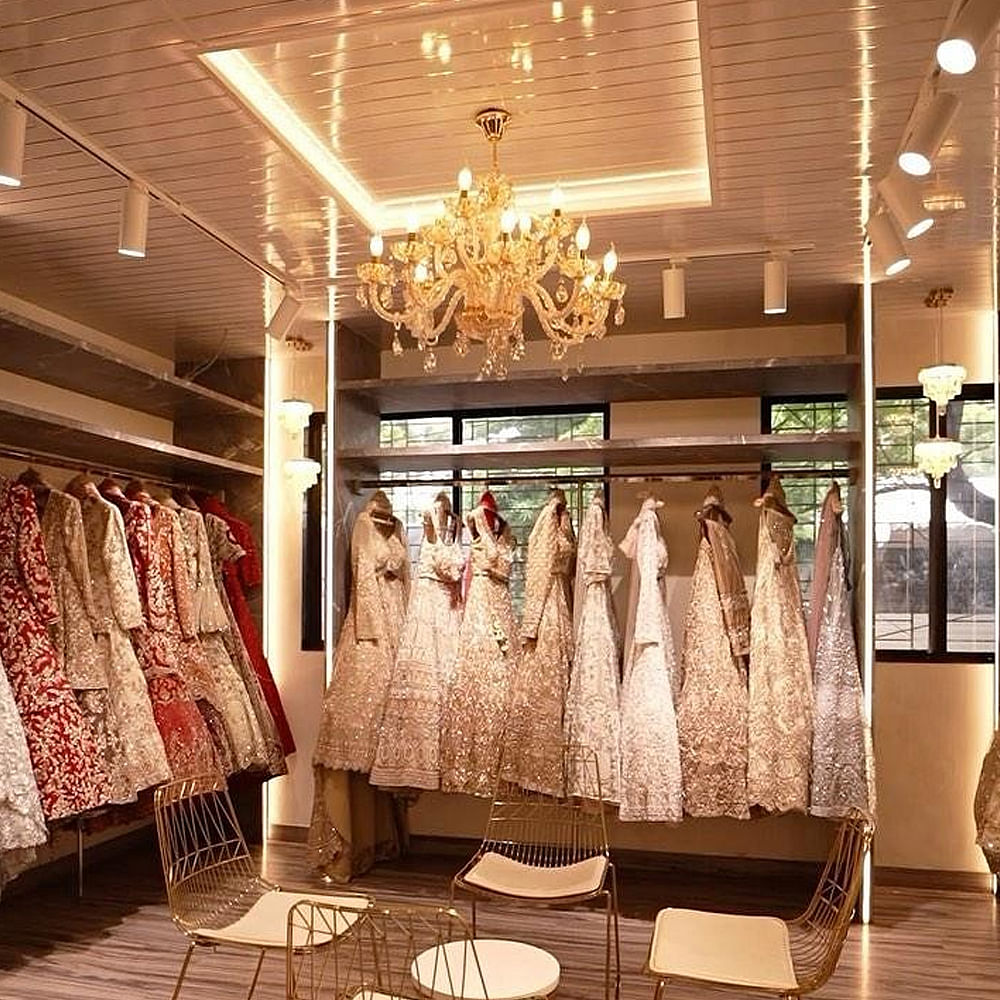
Planning and setting up a boutique
Store layout, ambience, and equipment
Boutique operations and daily management - E-Commerce
Introduction to e-commerce
Branding, product listing, sizing, and pricing
Importance of product photography - Customer Service & Sales
Understanding customer needs
Handling orders, appointments, and complaints
Programme Highlights
The program combines practical fashion design training with essential boutique management skills. Students learn illustration, garment construction, and pattern basics while also gaining knowledge in retail operations, branding, and customer handling. The course focuses on hands-on learning through studio work, business simulations, and practical assignments.
- Comprehensive understanding of textiles, fabrics, and apparel categories
- Training in boutique setup, store layout, and merchandise planning
- Hands-on practice in ornamentation, basic garment construction, and product development
- Guidance in branding, pricing, and marketing for boutique businesses
- Visual merchandising techniques to enhance customer appeal
- Insights into trend research, market analysis, and consumer behaviour
- Development of communication, teamwork, and retail management skills
- Real-world projects and simulations to prepare learners for boutique operations
Learning Outcomes
Students will be able to sketch and develop basic fashion designs, construct simple garments, and understand fabrics and patterns. They will also learn how to set up and manage a boutique, handle inventory, create attractive displays, and apply marketing techniques. By the end of the course, learners gain both creative confidence and business readiness
Career Opportunities
- Assistant Fashion Designer
- Boutique Manager / Boutique Owner
- Fashion Stylist
- Retail Fashion Executive
- Production Assistant in tailoring units or small studios
- Custom Designer for clients and small orders
- Entrepreneur in fashion accessories or clothing
- Online fashion seller (small business or home-based)
Course Registration
Admissions for the Certificate in Boutique Management are now open. Interested learners may register through the official IADA website, visit the campus for counselling, or contact the admissions team for guidance. Limited seats are offered each cycle, so early registration is advised.
Experience Working With



































Related Post

Fashion Designing Course for Beginners – Start Your Creative Career in Noida

Interior Designing Course 2026: Expert Skills for Success

How to Build a Stunning Fashion Design Portfolio?

Why Opt for an Interior Designing Course to Build Your Career?

How Can Aspiring Fashion Designers Overcome Common Modern-Day Challenges?