
B.Voc in Fashion Design
The B.Voc in Fashion Design is an industry-aligned undergraduate program crafted to develop strong creative thinking, technical mastery, and professional readiness for the global fashion ecosystem. The curriculum immerses learners in design fundamentals, garment engineering, textile science, pattern development, and digital design tools essential for modern fashion workflows. Emphasis is placed on understanding materials, technical accuracy, aesthetics, and problem-solving through a structured blend of theoretical knowledge and practical exploration.
Across the three years, students gain hands-on experience in womenswear, menswear, kidswear, and contemporary design categories while building a deep understanding of fashion markets and consumer trends. The program integrates workshops, craft exposures, live industry tasks, merchandising concepts, and sustainable design practices to ensure holistic development. Project-based learning, internships, and curated exhibitions further prepare learners to create industry-ready portfolios and step confidently into careers across design, production, styling, and brand development.
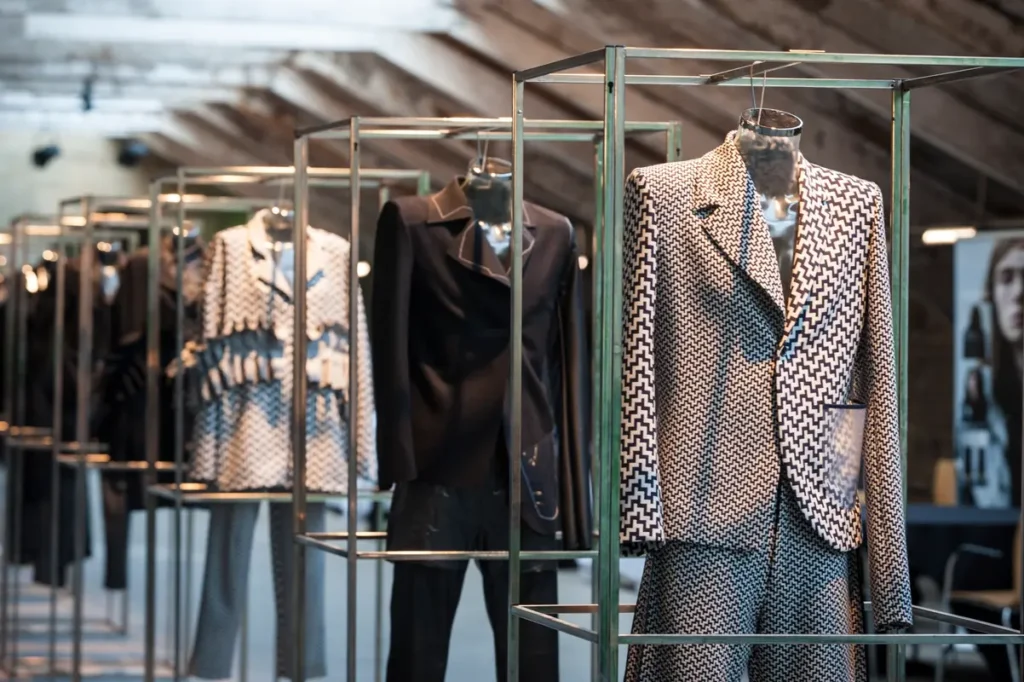
Course Overview
The B.Voc in Fashion Design is a three-year professional degree program designed to build comprehensive skills in fashion creation, textile knowledge, garment technology, digital design, and industry practices. The program combines design theory with hands-on studio work, enabling learners to explore illustration, pattern making, garment construction, merchandising, CAD tools, and sustainable design approaches.
Throughout the course, students work across multiple fashion categories, including womenswear, menswear, and kidswear, while completing live projects, internships, and industry-driven assignments.
The B.Voc in Fashion Design is a structured three-year degree program that develops strong creative, technical, and industry-relevant capabilities for the modern fashion sector. The curriculum integrates design fundamentals, garment technology, textile studies, digital tools, and merchandising concepts, ensuring a balanced foundation in both conceptual thinking and practical execution.
Learners progress through hands-on studio sessions, workshops, and digital learning modules, exploring fashion illustration, pattern making, garment construction, styling, trend research, and CAD development. Exposure to womenswear, menswear, and kidswear equips students with versatility, while craft studies, heritage textiles, and sustainability modules build cultural and future-forward awareness.
Industry-driven tasks, internships, market surveys, and live client projects prepare learners for real-world roles and professional expectations. By the final year, each student graduates with a refined portfolio, strong technical proficiency, and a comprehensive understanding of fashion processes, enabling successful entry into design, merchandising, styling, production, or entrepreneurial pathways.
Teaching Method
The teaching methodology for the B.Voc in Fashion Design is built on a studio-driven, experiential learning model that emphasises creativity, hands-on practice, and continuous skill development. Classes integrate demonstrations, design exercises, material exploration, and guided practice, allowing learners to understand concepts through real-time application. Each module encourages experimentation, visual thinking, and problem-solving, ensuring that students develop both artistic expression and technical accuracy.
To complement studio learning, the program incorporates industry exposure through workshops, expert interactions, field visits, and live assignments. Regular critiques, design juries, and portfolio reviews help learners refine ideas, strengthen execution, and deepen understanding of professional standards. This blended approach ensures that every student gains practical confidence, digital proficiency, and a strong conceptual foundation essential for success in the fashion industry.
The B.Voc in Fashion Design follows an experiential, studio-centered teaching approach that prioritises learning by doing. Every classroom session is designed to immerse learners in creative exploration through sketching, draping, pattern development, material testing, and garment construction. This practical environment encourages experimentation, allowing students to understand design concepts through direct engagement rather than theoretical instruction alone.
Workshops, demonstrations, and hands-on activities form the core of each module. Learners interact with fabrics, tools, machines, and digital software to build technical accuracy and craftsmanship. Step-by-step guidance from faculty, combined with structured assignments, helps students refine their visual communication skills, problem-solving abilities, and design techniques. This method ensures steady skill progression across all semesters.
Industry integration is a key component of the teaching process. Guest lectures, masterclasses, brand collaborations, craft cluster visits, and market surveys expose students to real-world practices and current industry expectations. Live projects, internships, and client briefs further strengthen industry readiness by offering practical experience with timelines, teamwork, and professional deliverables.
Continuous evaluation supports the entire learning journey. This multi-layered teaching method equips learners with confidence, digital proficiency, and a holistic understanding of fashion design, building a strong foundation for successful careers in the fashion industry.
Course Structure
The B.Voc in Fashion Design follows a six-semester structure that moves from foundational design principles to advanced industry-focused training. The curriculum covers illustration, textiles, garment construction, pattern making, menswear, kidswear, heritage textiles, digital design tools, merchandising, apparel production, and sustainable practices. Each semester blends studio-based learning, workshops, software training, and project-driven assignments, enabling students to build technical mastery and creative confidence. The program culminates with internships, research work, a graduation collection, and a professional portfolio that prepares learners for diverse roles within the fashion industry.
Semester 1 –
Foundation of Design and Fashion
- Fashion Illustration – Level 1
Basics of sketching, croquis development, garment details, and rendering techniques. - Fundamentals of Design
Elements & principles of design, color theory, textures, patterns and surface development. - Textile Science
Introduction to fabrics, fibers, yarns and weaves. - Pattern Making
Drafting foundation patterns and construction of skirts, bodices, sleeves and basic garments. - Garment Construction
Operation of sewing machines, seams, finishes, darts, tucks, and basic stitching - Fashion Theory
- Fundamentals of Draping
Semester 2 –
Advanced Design & Industry Application
- Fashion Illustration
Advanced poses, fabric rendering, fashion flats, collection development. - Pattern Making
Drafting complex patterns: trousers, dresses, jackets, draping techniques. - Garment Construction
Couture finishes, tailored garments, fit adjustments, and complete ensembles. - Merchandising Basics
Studying global trends , buyer and manufacturer relationship and roles of a merchandiser - Fashion CAD – Corel Draw
Digital flats, tech packs, design projects. - Textiles Science
Printing and Embroidery Techniques - Advanced Draping
- Portfolio & Fashion Show Preparation
Students design and develop their own mini collection showcased at the end of the year.
Semester 3 –
Menswear Design and Introduction to Traditional Indian textiles
- Fashion Illustration – Menswear
Basics of sketching, croquis development, garment details, and rendering techniques. - Pattern Making
Drafting foundation patterns for men and construction of jackets, trousers and basic garments. - Garment Construction
Couture finishes, tailored garments, fit adjustments, and complete ensembles. - Traditional Indian Textiles and Crafts
Historical and cultural context ,different weaves and embroideries - Fashion and Western Art Movement
Fashion subcultures and art movements, influence of art on Fashion - CAD
In-depth knowledge Adobe Photoshop tools required for Fashion industry - Market surveys, weaver’s society and exhibitions visit
Semester 4 –
Kids Wear Design and Industry Project
- Fashion Illustration – Kids wear
Basics of sketching, croquis development, garment details, and rendering techniques. - Pattern Making
Drafting foundation patterns for kids and construction of all-overs, dresses and basic garments. - Garment Construction
Couture finishes, tailored garments, fit adjustments, and complete ensembles. - Internship / freelance project / live client brief
- Advanced Merchandising
Merchandising principles, costing and inter department co-ordination. - Final Portfolio Development
- Graduation Project
Semester 5 –
International Standards of Apparel Production, Advanced Design Software
- Apparel Production
Processes involved in garment manufacturing, ASTM standards, Time motion and work study - Creative Pattern Making and GMT
Complex design variations and silhouettes, TR pattern cutting - Import Export Management
Understanding of import export procedures in apparel industry - Adobe Illustrator
Effective Navigation of Illustrator workspace to design technical sketches and design process projects - Fashion Styling
Figure analysis and body shapes, tips to elevate fashion sense by incorporating styling guidelines - CAD
In-depth knowledge Adobe Illustrator tools required for Fashion industry - Brand Case Studies
Semester 6 –
Industry Practice, Research & Final Thesis
- Quality Control
Relevance of Qc Departments and process involved in quality assessment. - Fashion Marketing
Understanding Marketing strategies, plan and research. - Graduation Project and Design Showcase
Focus on Sustainability and future driven design methods. - Internship Project
Dynamics of organisational set-up, brand and client relationship , stakeholders - E-Portfolio
Research and documentation of creative journey aimed at innovative designs, attention to detail, and understanding of current trends, bringing unique fashion concepts to life. - Retailing
Planning, sourcing and display of fashion products.
Programme Highlights
The Programme Highlights of the B.Voc in Fashion Design reflect a curriculum that blends creativity, technical expertise, and real-world exposure to prepare students for dynamic careers in the fashion industry. The program offers hands-on studio training, advanced digital tools, category-wise specialization, industry interactions, and sustainable design practices, ensuring holistic development and industry-ready competence from foundation to final showcase.
- Industry-focused curriculum covering design, textiles, garment technology, digital tools, and merchandising
- Studio-based learning with hands-on practice in illustration, pattern making, draping, and construction
- Training in industry-standard software including CorelDRAW, Adobe Photoshop, and Adobe Illustrator
- Category-wise specialization across womenswear, menswear, and kidswear
- Strong emphasis on sustainability, material innovation, and heritage textiles
- Industry exposure through workshops, brand sessions, craft visits, and market surveys
- Live projects, internships, and client-based assignments for real-world experience
- Annual design showcases, exhibitions, and portfolio presentations
- Continuous mentoring, critiques, and juried assessments for creative growth
- Graduation with a professional portfolio and strong industry readiness
Career Opportunities
Graduates of the B.Voc in Fashion Design are prepared for a wide spectrum of professional pathways across the fashion ecosystem. Opportunities include roles such as Fashion Buyer, where professionals analyse trends and curate collections for retail brands; Fashion Merchandiser, responsible for planning, product development, and inventory strategy; and Fashion Stylist, working in editorial, commercial, or celebrity styling.
Learners may also build careers as Costume Designers for film, theatre, and media or pursue research-driven roles as Design Researchers focusing on trends, consumer behaviour, materials, and future design directions.
The program also opens strong avenues for entrepreneurship. Graduates can establish independent studios, boutiques, design labels, manufacturing units, or freelance practices in fashion consulting, styling, illustration, or custom design. With strong digital and technical competencies, students can also explore roles in CAD development, technical design, brand communication, and fashion marketing.
Ideal Candidates
This program is ideal for students who aspire to build a strong creative and technical foundation in fashion. It suits individuals who are passionate about clothing, aesthetics, textiles, and design, and who enjoy expressing ideas visually through sketching, material exploration, and garment creation. Learners with an interest in trends, styling, and visual storytelling will find the curriculum engaging and aligned with their ambitions.
The program is well-suited for those who prefer hands-on learning environments over purely theoretical study. Students who enjoy studio practice, live projects, field visits, and interactive workshops will thrive, as the course emphasises practical experience, real-time feedback, and continuous creative improvement. It also caters to learners who value structured guidance through critiques, mentoring sessions, and juried evaluations.
Aspirants aiming for future careers in design, styling, merchandising, textiles, or entrepreneurship will benefit from the program’s comprehensive and industry-ready approach. Whether students hope to join established fashion brands or build their own ventures, the course offers the skills, exposure, and confidence needed to succeed in today’s evolving fashion landscape.
Learning Experience
The program offers an immersive learning experience built on studio-based exploration, hands-on practice, and continuous creative development.
Students benefit from regular mentoring, critiques, and jury evaluations that sharpen design thinking and technical accuracy.
Field trips, industry visits, and material explorations help learners understand real-world processes, while a hybrid digital–manual approach strengthens both traditional and contemporary design skills. Sustainability, innovation, and interdisciplinary collaboration remain core to the overall learning environment.
What You Graduate With
Graduates leave with a recognised Bachelor’s Degree supported by a professional portfolio that showcases design capability, technical expertise, and creative identity.
Students gain strong command over industry-standard software, design documentation, and digital communication. Project experience across womenswear, menswear, and kidswear ensures versatility and a well-rounded design foundation. Alongside design skills, learners complete internships, live client projects, research tasks, and a final design showcase that strengthens industry readiness. By graduation, every student is equipped to work confidently in design environments, collaborate effectively with teams, manage creative projects, and think strategically to meet professional and market expectations.
Course Registration
Admission to the B.Voc in Fashion Design program is open to students who have completed 10+2 or equivalent from a recognised board. The registration process includes submitting an online or in-person application, attending a brief counselling session, and providing required documents such as academic records and ID proofs. Once reviewed, selected applicants receive confirmation along with fee details and orientation information. As seats are limited, early registration is recommended, and the admissions team is available to assist throughout the process for a smooth enrolment experience.
Experience Working With






























Related Post
Fashion Designing Course for Beginners – Start Your Creative Career in Noida

Interior Designing Course 2026: Expert Skills for Success
How to Build a Stunning Fashion Design Portfolio?

Why Opt for an Interior Designing Course to Build Your Career?

How Can Aspiring Fashion Designers Overcome Common Modern-Day Challenges?