M.Des in Fashion Design
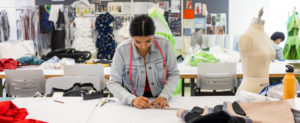
The M.Des in Fashion Design at IADA is an advanced postgraduate program crafted to develop visionary designers with strong creative, technical, and analytical capabilities. The curriculum emphasises design research, material innovation, conceptual development, and digital proficiency, enabling students to explore fashion through a global and future-focused lens. Studio-based learning, hands-on experimentation, and deep study of fashion systems help learners develop a sophisticated design identity.
The program is built to meet the demands of the modern fashion industry, integrating sustainability, trend forecasting, brand strategy, and emerging technologies. With access to advanced labs, expert mentorship, industry collaborations, and real-time projects, students gain the ability to deliver professional, market-ready design solutions. The holistic learning environment ensures that graduates step into the fashion world as confident, skilled, and industry-ready design professionals.
Course Overview
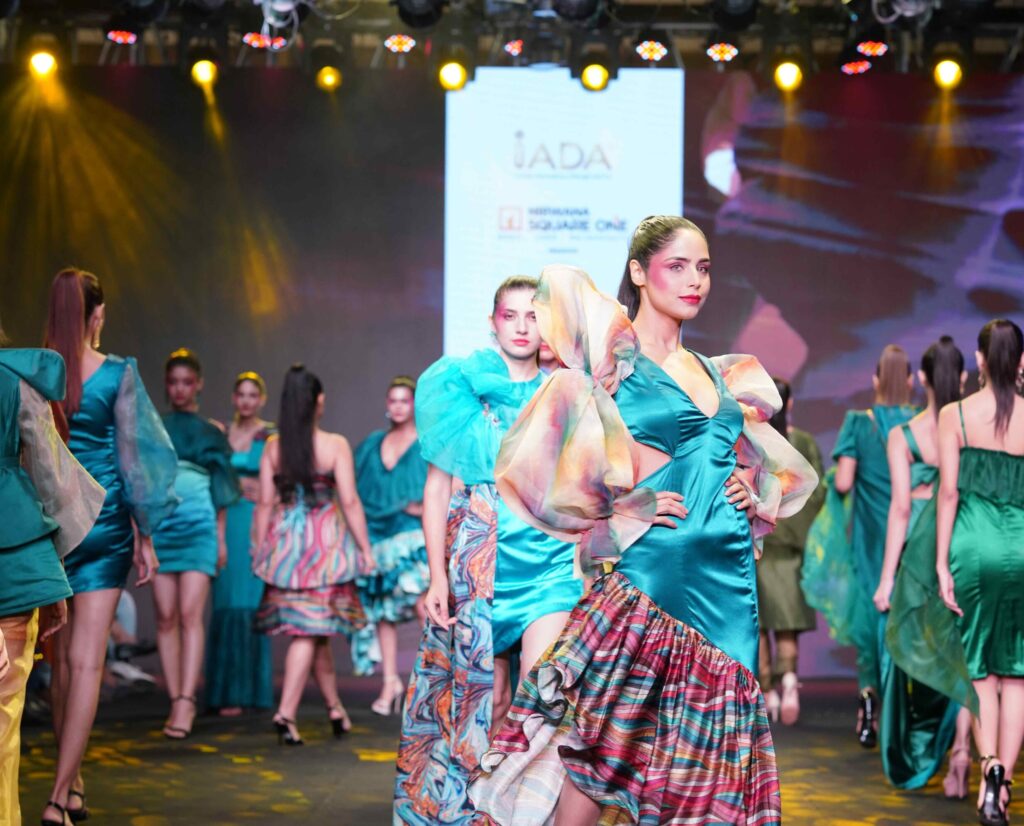
The M.Des in Fashion Design is a comprehensive two-year postgraduate program that equips students with advanced design expertise, technical skills, and industry-ready experience. Through a balanced curriculum of theoretical learning, hands-on studio practice, research projects, and professional internships, students gain a deep understanding of fashion design, product development, and merchandising. The program emphasizes creativity, innovation, and entrepreneurial thinking, enabling graduates to confidently take on roles in fashion design, creative direction, brand management, and other dynamic areas of the global fashion industry.
Teaching Method
The M.Des in Fashion Design employs a dynamic, practice-oriented teaching method that combines creativity, technology, and professional skill development. Students engage in hands-on learning through design studios, pattern labs, digital technology sessions, and workshops, exploring materials, techniques, and tools to strengthen both conceptual and technical skills. Industry exposure through guest lectures, masterclasses, live projects, internships, and field visits ensures familiarity with real-world practices, while collaborative assignments and problem-based tasks foster teamwork, innovation, and critical thinking. Research-based activities, including case studies, trend forecasting, and portfolio development, further refine students’ design capabilities, preparing them to confidently navigate diverse roles in the fashion industry.
Course Structure
The course structure follows a progressive, skill-building approach that moves from advanced design foundations to specialised training, industry projects, and research work. Each semester blends theory, studio practice, digital tools, and practical exposure to ensure strong creative development and professional readiness.
Semester 1 –
Foundations Of Advanced Fashion Design
- Advanced Fashion Illustration & Digital Design
Human anatomy and fashion figure rendering
Advanced garment detailing and stylization
Digital illustration using Adobe Illustrator/Photoshop
Flats, specs, and technical drawings
Concept-to-visual development - Textile Science & Fabric Studies
Fiber science and yarn technology
Weaving, knitting, and fabric construction
Dyeing and printing techniques
Introduction to smart textiles and sustainable fabrics - Pattern Making & Garment Construction – I
Bodice variations and dart manipulation
Construction techniques and industrial methods
Quality control in garment construction
Basics of fitting and draping - Fashion Theory & History
Evolution of fashion from ancient to modern eras
Influential designers and major fashion movements
Cultural and socio-economic influences on dress
Global fashion capitals and luxury brands - Design Process & Creative Thinking
Mood boards, concept boards, and storyboards
Research methodology for design
Trend forecasting tools
Collection theme development
Semester 2 –
Advanced Techniques & Industry Applications
- Apparel Production & Manufacturing Technology
Industrial machinery and equipment
Production planning and control (PPC)
Marker making and cutting room practices
Sewing line layout and efficiency management
Quality assurance and testing - Advanced Draping Techniques
Draping complex silhouettes
Draping for evening wear, gowns, and couture
Creative draping and fabric manipulation
Understanding fabric behavior in drape - Surface Ornamentation & Textile Embellishments
Traditional Indian embroidery styles
Global embellishment techniques
Dyeing, printing, and value addition processes - Fashion Marketing & Merchandising
Consumer behavior and market segmentation
Retail operations and visual merchandising
Buying and merchandising planning
Fashion product life cycle
E-commerce and fashion branding - Practical Labs & Assignments
Draped garment collection
Merchandising project
Semester 3 –
Specialization & Industry Integration
- Sustainable Fashion & Ethical Practices
Sustainable materials and eco-friendly production
Circular fashion and zero-waste strategies
Certifications, compliance, and green supply chains
Case studies of sustainable brands - Fashion Communication & Styling
Fashion writing, media, and PR
Editorial, commercial, and personal styling
Photoshoot planning and execution
Portfolio development and presentation skills - Fashion Entrepreneurship & Business Development
Start-up planning and funding strategies
Business model creation
Pricing, costing, and budgeting
Brand building and marketing strategies - Research Methods in Fashion
Data collection, analysis, and survey methods
Research design for fashion projects - Practical Components
Industry project
Sustainable fashion case study
Semester 4 –
Industry Training & Major Project
- Internship / Industrial Training (8–12 weeks)
Work experience in a fashion house, export unit, retail brand, or designer studio
Internship report and evaluation - Major Design Project / Dissertation
Independent design collection (6–8 garments) or academic research dissertation
Mood board, fabric board, sketches, and tech packs
Prototype development, fittings, and final presentation
Viva voce - Portfolio Development
Digital and physical portfolio creation
Professional photoshoot
Resume, cover letter, and personal branding
Programme Highlights
The program delivers a forward-looking fashion education that blends creativity, technology, and professional practice. Learners work on real projects, gain exposure to industry environments, and build strong technical and conceptual skills using modern tools and methods.
- Advanced modules in design, textiles, and garment engineering
- Focus on digital fashion tools, 3D design, and AI-supported applications
- Strong emphasis on sustainability and responsible fashion practices
- Hands-on training through studios, workshops, and practical labs
- Industry-driven projects, internships, and brand collaborations
- Curriculum aligned with global fashion trends and production standards
- Dedicated sessions for portfolio building and professional development
- Exposure to luxury fashion, haute couture techniques, and market analysis
- Guidance for entrepreneurship and independent design ventures
Career Opportunities
- Senior Fashion Designer – Leads design concepts, creates collections, and oversees garment development.
- Creative Director – Shapes brand vision, aesthetics, and creative direction across campaigns and collections.
- Couture / Luxury Designer – Designs high-end, handcrafted garments with premium materials and detailing.
- Fashion Researcher & Trend Analyst – Studies market trends, consumer behavior, and future fashion directions.
- Apparel Production Manager – Manages manufacturing processes, quality standards, and production timelines.
- Fashion Product Developer – Develops new products, coordinates sampling, and ensures market-ready designs.
- Fashion Merchandiser – Plans product assortments, analyzes sales, and supports retail buying decisions.
- Brand Strategist – Builds brand identity, manages positioning, and develops marketing strategies.
- Fashion Illustrator – Creates visual concepts, sketches, and presentation artwork for design teams.
- Digital Fashion Designer – Designs virtual garments and 3D clothing using advanced digital tools.
Learning Experience
The learning experience is immersive and practice-driven, allowing students to explore design through studios, labs, and hands-on workshops. Real industry exposure through masterclasses, internships, and live projects strengthens practical understanding and creative confidence. Research tasks, critiques, and continuous portfolio development help refine ideas, sharpen technical skills, and build a strong professional identity in the fashion domain.
Course Registration
Registration for the M.Des in Fashion Design program can be completed online by filling out the application form and submitting the required academic documents. Eligible applicants are guided through counselling and admission confirmation, after which fee submission and document verification complete the registration process. The admissions team ensures a smooth and simple experience for every applicant.
Experience Working With






















Related Post
Degree in Interior Design: Explore the Right Interior Design Course in Noida
Degree in Interior Design: Build a Creative Career in Modern Interior Design
Interior Designing Institute: Build a Creative Future with the Best Interior Design Course
B.Des in Interior Design: Build a Creative Future in Interior Spaces
Best Design Institute in NCR for Courses After 12th