A B.Des in Interior Design is a professional undergraduate program designed for students who want to build a successful career in creative space design. The course focuses on transforming residential, commercial, and modern interior spaces into functional, stylish, and comfortable environments.
Today, interior design has become one of the fastest-growing creative industries. Modern homes, offices, hotels, cafes, retail stores, and luxury spaces all require professional interior designers who understand aesthetics, functionality, and innovative design concepts.
A B.Des in Interior Design helps students develop artistic creativity, technical skills, and practical knowledge required to succeed in the design industry.
What is B.Des in Interior Design?
B.Des in Interior Design is a specialized bachelor’s degree program that teaches students how to design beautiful and practical interior spaces. The course combines creativity with technical learning to help students understand space planning, furniture design, lighting, materials, and modern interior trends.
The program focuses on both theoretical learning and practical studio-based training. Students learn how to create interiors that improve comfort, usability, and visual appeal.
The course usually includes:
- Interior space planning
- Residential/Commercial and landscape
- Technical drawings
- Furniture and fixture design
- Lighting concepts
- Material selection
- Color theory
- 3D visualization
- Sustainable interior practices
- Design software training
Why Choose B.Des in Interior Design?
Choosing a B.Des in Interior Design offers excellent opportunities for creative students who want to work in a dynamic and innovative industry.
Creative Career Opportunities– Interior design allows students to express creativity through layouts, textures, colors, lighting, and décor concepts.
Growing Industry Demand– The demand for professional interior designers is increasing rapidly due to urban development, modern architecture, and luxury lifestyle trends.
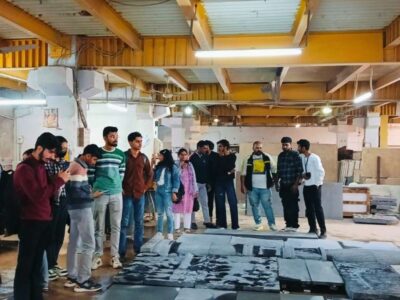
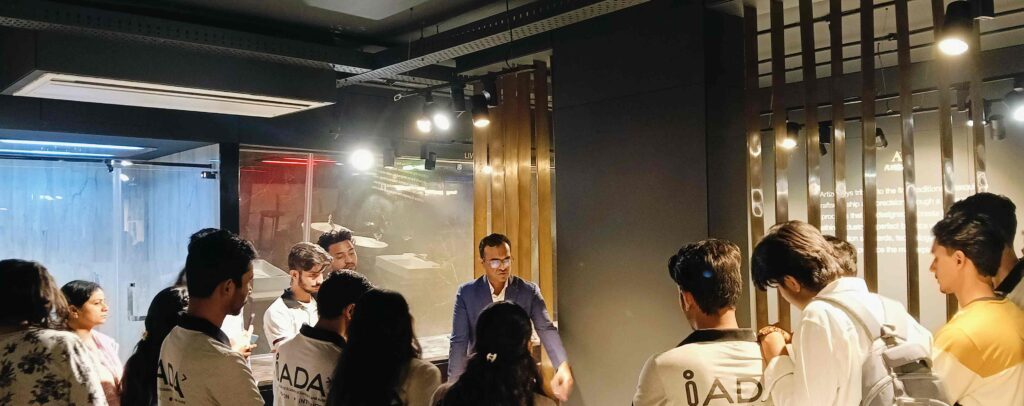
Practical Learning Experience– The course includes live projects, workshops, studio work, Market visit ,real site visit and design assignments that provide hands-on industry exposure.
Diverse Work Environments– Interior designers can work on homes, offices, hotels, restaurants, retail spaces, exhibition areas, and commercial projects.
Entrepreneurial Opportunities– Many graduates start their own interior design studios or work independently as freelance designers.
Eligibility for B.Des in Interior Design
Students who have completed their 10+2 education from a recognized board can apply for the course. Admission criteria may vary depending on the institution.
Some colleges may conduct:
- Entrance examinations
- Portfolio reviews
- Personal interviews
Students from Arts, Commerce, or Science streams can pursue a B.Des in Interior Design.
Subjects Covered in B.Des in Interior Design
The course includes a wide range of creative and technical subjects that help students gain professional knowledge.
Core Subjects
- Design Fundamentals
- Interior Space Planning
- Furniture Design
- Building Materials
- Interior Construction
- Lighting Design
- Color Psychology
- Visual Communication
- Sustainable Design
- Professional Practice
Software and Technical Training
Students also learn advanced design software used in the interior industry, including:
- AutoCAD
- SketchUp
- Revit
- 3ds Max
- Photoshop
These tools help students create professional layouts, presentations, and 3D interior concepts.
Skills Developed During the Course
A B.Des in Interior Design helps students develop important professional skills required in the design industry.
Creative Thinking– Students learn how to create innovative and functional design concepts.
Space Management Skills– The course teaches efficient utilization of interior spaces.
Communication Skills– Interior designers regularly interact with clients, architects, and project teams.
Technical Knowledge– Students gain understanding of construction materials, furniture systems, and design technologies.
Problem-Solving Ability– Designers learn how to handle practical challenges in interior projects.
Career Opportunities After B.Des in Interior Design
Graduates of B.Des in Interior Design can explore various creative career paths.
Interior Designer– Design functional and aesthetically appealing residential or commercial interiors.
Residential Space Designer– Work on home interiors including apartments, villas, and luxury residences.
Commercial Interior Designer– Design offices, retail stores, cafes, and hospitality spaces.
Furniture Designer– Create customized furniture concepts and innovative interior products.
Exhibition Designer– Plan and design exhibition booths, events, and display spaces.
Interior Styling Consultant– Provide décor and styling solutions for interior environments.
Scope of B.Des in Interior Design
The future scope of B.Des in Interior Design is highly promising due to rapid growth in infrastructure and modern lifestyle preferences.
Interior designers are needed in:
- Architecture firms
- Interior design studios
- Real estate companies
- Hospitality industry
- Retail brands
- Construction companies
- Furniture industries
The increasing demand for smart homes, luxury interiors, and modern commercial spaces has created strong opportunities for professional interior designers.
Benefits of Pursuing B.Des in Interior Design
Industry-Relevant Learning– The course focuses on practical skills and real-world design applications.
Creative Professional Growth– Students gain opportunities to build strong portfolios and innovative design projects.
Exposure to Modern Design Trends– The program introduces students to contemporary interior concepts and technologies.
Professional Networking– Workshops, internships, and industry collaborations help students connect with professionals.
Global Career Opportunities– Interior design skills are valuable in both national and international markets.
How to Choose the Best College for B.Des in Interior Design?
Before selecting a college, students should consider several important factors.
Experienced Faculty– Good faculty guidance helps students improve creative and technical abilities.
Practical learning– Site visit/Market survey and material knowledge.
Industry Exposure– Colleges offering internships, live projects, and site visits provide better industry experience.
Placement Support– Strong placement assistance helps students begin their professional careers successfully.
Updated Curriculum– A modern curriculum ensures students learn current industry trends and technologies.
Conclusion
A B.Des in Interior Design is an excellent course for students who want to build a creative and future-focused career in the design industry. The program provides a perfect combination of artistic creativity, technical expertise, and practical experience.
With growing demand for modern residential and commercial spaces, professional interior designers are becoming increasingly important across multiple industries. From designing luxury homes to creating innovative commercial environments, interior design offers endless opportunities for creative professionals.
If you are passionate about transforming spaces into stylish and functional environments, pursuing a B.Des in Interior Design can be the perfect step toward a successful and rewarding career.
FAQs
1. What is B.Des in Interior Design?
B.Des in Interior Design is a professional degree course focused on designing functional and creative interior spaces.
2. What is the duration of the course?
The course duration is generally 4 years.
3. Who can apply for B.Des in Interior Design?
Students who have completed 10+2 from any stream can apply.
4. What skills are important for interior design?
Student should be creative other then that Institute is guiding and mentoring them for enhancing the skill.
5. What career opportunities are available after the course?
Graduates can work as interior designers, space planners, furniture designers, and design consultants.